
Rubio Calls for Western Power and Democratic Renewal in Athens Speech
Secretary of State Marco Rubio used his Athens visit to link Western renewal with national power, while pressing Europe to take greater responsibility for its defence.
By Hushread Stories, written with AI from 15 outlets · First published 8 Oct 2026
In brief
- Secretary of State Marco Rubio delivered a speech in Athens on October 7 with the Acropolis as his backdrop.
- He urged Western nations to restore founding democratic principles while embracing traditional values and the pursuit of national power.
- Rubio called on European countries to shoulder more defence responsibilities, pointing to Greece as an example of higher spending.
- His talks in Greece covered energy, military cooperation and regional security, including liquefied natural gas and fighter aircraft.
- Iran criticised Rubio's appeal to ancient Greece, accusing him of selectively using Western history to justify American militarism.

Timeline · 4 moments
Acropolis speech calls for unapologetic pursuit of national power
CBS Top Stories ↗Rubio says United States and Greece will combat threats
Al Arabiya English ↗Athens talks cover energy, military cooperation and regional security
Euronews ↗Rubio prepares appeal to Western democratic founding principles
The Hindu ↗How it started
Secretary of State Marco Rubio's visit to Greece brought together practical security discussions and a broader argument about what Western countries should stand for. Ahead of his October 7 speech, The Hindu reported that he intended to call for the restoration of founding democratic principles and values.
Greece was central to his argument, not simply the setting. Rubio planned to invoke curiosity, courage, ambition and exploration as qualities born there that later helped define the West, according to The Hindu.
How it unfolded
During the October 7 visit, Rubio held talks on energy, military cooperation and regional security. Euronews reported that the agenda included liquefied natural gas, F-35s and the Eastern Mediterranean.
The visit also produced a statement of shared security intent. Al Arabiya English reported that Rubio said the United States and Greece would jointly combat security threats. The supplied coverage does not describe a new agreement or give an implementation timetable.
In his speech that day, delivered with the Acropolis behind him, Rubio called for Western countries to return to their civilizational roots and restore the values behind the rise of Europe and North America, according to Arab News.
That appeal went beyond democratic renewal. CBS Top Stories reported his call for an "unapologetic pursuit of national power," while The New York Times described his argument that Western nations should embrace an earlier ethos of exploration and conquest to remain "at the head of the world."
Rubio also urged Europe to carry more of its defence burden, citing Greece as an example of higher defence spending, Euronews reported. On October 8, Al Jazeera described the speech as praising nationalism and urging Western nations to prioritise their own interests.
Where it stands
The speech set out a political direction rather than a detailed programme in the supplied coverage: stronger national power, traditional values and greater European responsibility for security. Financial Times World reported that Rubio warned the alternative was "atrophy, servitude and decline."
His use of ancient Greece also drew criticism from Iran. Press TV (English) reported that Tehran accused Rubio of selectively invoking Western history to legitimise an "America First" foreign policy and American militarism. That is Iran's criticism, not an established account of the speech's purpose.
What to watch
The practical test is whether the security and energy discussions lead to specific commitments. Euronews identified military cooperation, liquefied natural gas and F-35s among the topics, but the supplied reporting gives no timetable or details of new commitments. It also does not establish how European governments will respond to Rubio's call for greater defence responsibility.
More in World
All →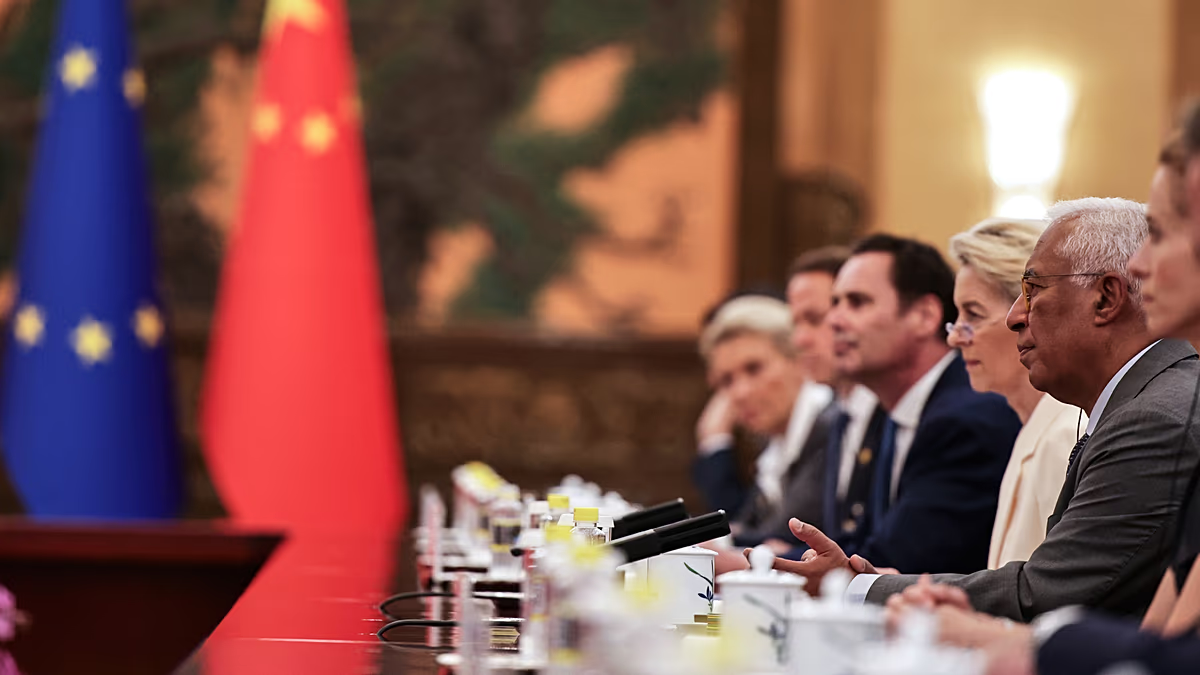
EU and China Hold Beijing Talks on Trade Imbalance and Tensions
EU trade envoy Maros Šefčovič is in Beijing seeking progress on an unsustainable trade imbalance as both sides address escalating tensions.
22 sources · over 4 days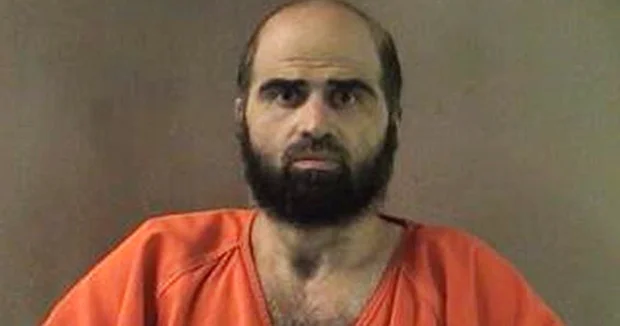
Trump approves firing squad execution for Fort Hood shooter Nidal Hasan
The Pentagon says President Donald Trump approved Defense Sec. Pete Hegseth's recommendation to execute Hasan by firing squad, advancing the case over the 2009 killings.
37 sources · over 3 days
Russian lab worker's death prompts plague fears, but outbreak remains unconfirmed
Russian authorities report no plague cases among the worker's contacts, while international health officials seek clearer evidence about her death and assess the risk of spread.
84 sources · over 6 days