
Russian missiles and a drone land in Poland, and NATO moves to tighten its defences
Three Russian projectiles came down in southeast Poland during an attack on Ukraine, prompting NATO surveillance flights, a Polish no-fly zone plan and a public split between Warsaw and Washington.
By Hushread Stories, from 37 outlets · First published 25 Nov 2026 · Chapter 4 of 4
Earlier: Russian missiles and drone land in Poland as NATO faces pressure over response
In brief
- Three Russian projectiles, two missiles and a jet-powered drone, fell in southeast Poland on 20 November during a large attack on Ukraine.
- Polish prosecutors said three Russian missiles flew into the country, and investigators identified one as a newly manufactured cruise missile.
- Prime Minister Donald Tusk called it an intentional provocation, while President Donald Trump called it a mistake and Tusk disagreed.
- NATO sent an early-warning aircraft to Poland and held an urgent meeting, with Mark Rutte pledging to defend every inch of Polish territory.
- A further Russian drone entered Polish airspace on 24 November, and Poland now plans a no-fly zone along the Ukrainian border.
Timeline · 10 moments
Poland announces no-fly zone on Ukrainian border
Deutsche Welle ↗Poland pushes for permanent US troop presence
FOXNews.com ↗Another Russian drone crosses into Polish airspace
ABC Top Stories ↗NATO sends AWACS aircraft after urgent meeting
DIE WELT ↗Prosecutors say three Russian missiles entered Poland
World News ↗Trump calls missiles a mistake, Tusk disagrees
UPI ↗Rutte pledges to defend every inch of Poland
CTV News ↗NATO condemns grave violation of Polish airspace
PBS ↗Tusk calls strike an intentional provocation
CBS Top Stories ↗Russian missiles and drone fall in southeast Poland
South China Morning Post ↗How it started
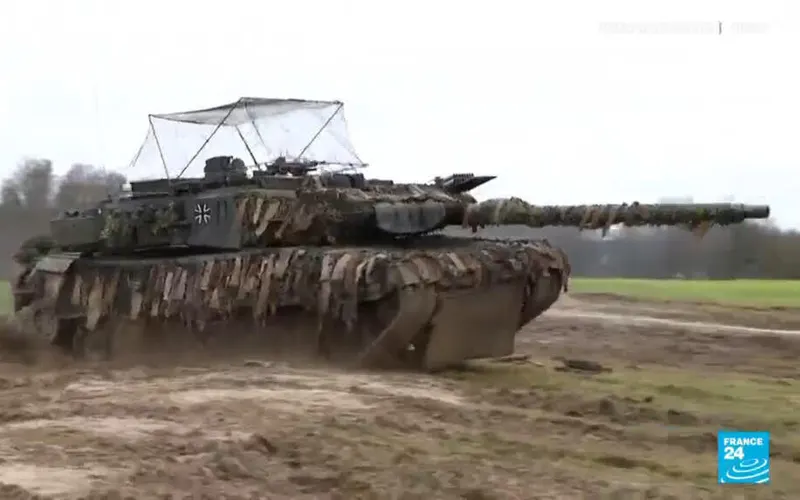
On Friday 20 November, Russia launched a heavy wave of missiles and drones at Ukraine. Some of it did not stay there. The South China Morning Post reported that two Russian missiles and a suspected drone came down in Poland, at a time when European forces were holding military exercises in the country.
Polish Prime Minister Donald Tusk said Russia had hit Poland while Ukraine's allies were exercising, and described the incident as an intentional provocation, according to CBS News. Poland's military opened an investigation into the airspace violations.
France24 reported that a suspected jet-powered drone and a missile struck separate locations near the Ukrainian border. One missile crashed near the village of Nowy Lipowiec, about 37 miles from the border, according to a report on the NATO meeting.
How it unfolded
By Saturday 21 November, the picture had sharpened. Der Spiegel reported that three military objects had struck southeast Poland, and Die Welt said Polish investigators had clearly identified one as a Russian cruise missile that had been freshly manufactured. PBS reported that NATO called the landing of the missiles a grave violation of Polish airspace.
NATO Secretary General Mark Rutte pledged that the alliance would defend every inch of Polish territory, CTV News reported, with NATO's top decision-making body set to discuss the incident. CNBC noted that drones have repeatedly strayed into the airspace of countries on NATO's eastern flank during the war, fuelling fears that the conflict could spread.
The response from Washington was different in tone. UPI reported that Trump downplayed the incursion and called it a mistake, and the Washington Post said Tusk claimed Russia had deliberately violated Polish airspace. Al Jazeera noted that the bar for triggering NATO's collective defence clause remains high. In Britain, the Daily Mail reported that Defence Secretary Wes Streeting said there has to be a response.
On Sunday 22 November, Reuters reported that prosecutors said three Russian missiles had flown into Poland. Infobae, citing EFE, said the prosecutor's office in Lublin, which is investigating, pointed to indications that three Russian missiles had struck.
On Monday 23 November, NATO called an urgent meeting. The Washington Post quoted Germany's foreign minister as saying: "We are not in war, but we are certainly not in peace anymore, either." Die Welt reported that NATO would move an AWACS surveillance aircraft to Poland and reinforce air surveillance.
The incidents did not stop there. ABC reported that a Russian drone violated Polish airspace late on Monday night during another wave of long-range strikes on Ukraine. Fox News reported on 24 November that a Swedish fighter jet under NATO command had been cleared to shoot down a Russian missile over Poland, and that Warsaw renewed its push for a permanent US military presence.
Where it stands
Poland is hardening its border. Die Welt and Deutsche Welle reported on 25 November that Warsaw will set up a no-fly zone along the Ukrainian border, so the army can detect and intercept Russian aircraft and missiles faster. FAZ said it is due to take effect at the end of December or the beginning of January.
Bloomberg, via a Ukrainian outlet, reported that Poland is also urging NATO to intercept Russian missiles over Ukraine. NPR reported that Rutte is trying to reassure the alliance's eastern members, while The Conversation described a surge of Russian airspace violations as Moscow tests the alliance.
The transatlantic disagreement over how serious the incident was remains unresolved in the coverage.
What to watch
The first question is whether the Polish no-fly zone takes effect on schedule and what rules of engagement come with it. Allied jets have now been cleared to shoot at missiles over Poland, but how often that happens, and whether NATO moves toward intercepting over Ukraine, is still open.
The second is political. Poland wants a permanent US military presence, and the gap between Tusk's reading of the incident and Trump's will shape how far Washington backs that request.
More in World
All →
Saurav Das stopped from UK flight, takes passport dispute to Delhi High Court
The Cockroach Janta Party leader says he was blocked from flying to Oxford. The government cites a passport discrepancy and a look out circular, and the Delhi High Court is now involved.
14 sources · over 3 days
Two men charged with burglary and trespass over break-in at Prince William and Kate's Norfolk home
Mirgen Doku and Arilen Ndoci are due before Norwich Magistrates' Court after the incident at Anmer Hall on the Sandringham estate.
41 sources · over 3 days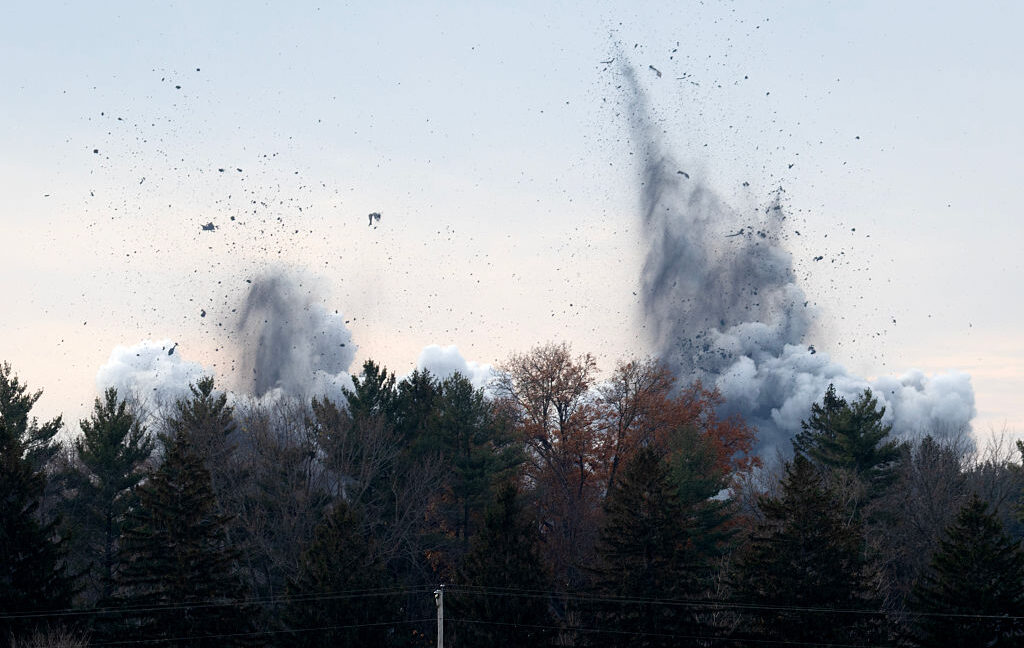
Army Detonates Five Tons of Degraded Lead Azide at Iowa Ammunition Plant
The Army destroyed the nation's entire lead azide stockpile in a controlled blast after a court cleared the way, and early EPA readings show no airborne lead, but questions persist.
58 sources · over 3 days