
Russian missiles and drone land in Poland as NATO faces pressure over response
A further Russian drone entered Polish airspace days after missiles came down in the country during a Russian attack on Ukraine.
By Hushread Stories, from 34 outlets · First published 25 Nov 2026 · Chapter 3 of 4
Earlier: Russian Missiles and Drone Crash in Poland During Allied Military Exercises
In brief
- Two Russian cruise missiles and a jet-powered drone crashed in south-eastern Poland on 20 November during a large Russian attack on Ukraine.
- Polish Prime Minister Donald Tusk called the strikes an intentional provocation timed to coincide with a military exercise held by Ukraine's allies.
- Polish investigators identified one object as a freshly manufactured Russian Kh-101 cruise missile, and prosecutors in Lublin pointed to three missiles in total.
- NATO Secretary General Mark Rutte pledged to defend every inch of Polish territory, and the alliance is sending an AWACS surveillance aircraft to Poland.
- US President Donald Trump called the incident a mistake, which Tusk rejected, and a further Russian drone entered Polish airspace on 23 November.
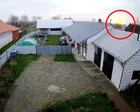
Timeline · 12 moments
Poland urges NATO to intercept Russian missiles over Ukraine
World News News ↗Russian drone briefly enters Polish airspace during overnight Ukraine attack
UPI ↗Poland renews push for permanent US troop presence
FOXNews.com ↗Russian drone briefly crosses into Polish airspace again
Times now ↗NATO holds urgent meeting and sends AWACS aircraft to Poland
DIE WELT ↗Prosecutors say three Russian missiles entered Poland
World News ↗Investigators identify one object as new Russian cruise missile
Krone.at ↗Trump calls missiles a mistake, Tusk disagrees
UPI ↗Rutte pledges to defend every inch of Polish territory
CTV News ↗NATO condemns grave violation of Polish airspace
PBS ↗Update 25 Nov 2026, 4:21 pm UTC
A Russian drone briefly crossed into Polish airspace during the overnight attack on western Ukraine, according to Poland's Operational Command, Times Now and ABC reported. UPI described it as a second violation within days of the missile incursions, and Bloomberg reported that Poland is urging NATO to intercept Russian missiles over Ukraine. The core facts of the headline still stand, but the story now includes a new drone incident and a sharper debate over how NATO should respond.
How it started
On Friday 20 November 2026, Russia launched a large wave of missiles and drones against Ukraine. As it unfolded, explosions were reported in south-eastern Poland, and Polish military authorities began investigating at least two possible airspace violations.
The objects came down near the Ukrainian border. The AP reported that two Russian missiles and a suspected drone fell in Poland, while France24 described a suspected jet-powered drone and a missile striking separate locations. CNBC noted that drones have repeatedly strayed into the airspace of countries on NATO's eastern flank during the war, feeding fears that the conflict could spread.
The timing mattered. Thousands of European troops were taking part in a major military exercise in Poland at the time, which is why Warsaw read the strikes as deliberate.
How it unfolded
Tusk moved quickly to frame the incident. According to The Washington Post, he said Russia had deliberately violated Polish airspace while the exercise was underway, and the AP quoted him calling it likely a provocation timed to coincide with the drills. CBS carried his description of an intentional provocation.
NATO's response followed. PBS reported that the alliance called it a grave violation of airspace, and Der Spiegel said it spoke of a dangerous incident. On Saturday 21 November, CTV reported that Rutte pledged to defend Poland, with the alliance's top decision-making body set to discuss the matter. Die Welt quoted him saying NATO would defend every centimetre of Polish territory.
The details firmed up over the weekend. Die Welt reported that Polish investigators had clearly identified one of the objects as a Russian cruise missile, and Krone said it was a Kh-101 that had come brand new from the factory. On Sunday 22 November, Reuters reported prosecutors saying three Russian missiles had flown into Poland, and Infobae cited the Lublin prosecutor's office pointing to signs that three missiles had struck. That is slightly at odds with the earlier account of two missiles and a drone, and the coverage does not fully resolve the difference. Al Jazeera added that the bar for triggering NATO's collective defence clause remains high.
Washington's reaction split from Warsaw's. UPI reported that Trump downplayed the incursion and called it a mistake, while Tusk disagreed. The Independent said Tusk argued the incident showed why Poland must be involved in talks to end the war in Ukraine.
On Monday 23 November, NATO held an urgent meeting. Die Welt and Deutschlandfunk reported that the alliance would move an AWACS surveillance aircraft to Poland and strengthen air monitoring. The Washington Post quoted Germany's foreign minister saying that we are not in war, but certainly not in peace anymore either.
Where it stands
The incident did not end with the three impacts. Times Now reported that a Russian one-way attack drone briefly crossed into Polish airspace during a large attack on western Ukraine, according to Poland's Operational Command, and ABC and Krone covered the same overnight incursion into Tuesday 24 November.
Fox News reported that Poland renewed its push for a permanent US military presence after two incursions in four days, and that a Swedish fighter jet under NATO command was involved in one of them. The detail of the jet's role is only partly visible in the coverage provided, so it is not described further here.
NATO's formal position remains defensive reinforcement rather than any military retaliation. Rutte's pledge and the AWACS deployment are the concrete steps so far.
What to watch
The main open question is whether the pattern continues. The Conversation describes a surge of Russian airspace violations as Moscow seeks to test the alliance, and Die Welt framed the strikes as part of a strategy to probe NATO's reaction times and systems. Further incursions would raise pressure for a stronger response.
Two other threads are pending: whether Poland's request for a permanent US troop presence gets a hearing given Trump's dismissive tone, and whether the AWACS deployment is followed by more changes to air defence on the eastern flank. The Lublin prosecutors' investigation is also still under way.
More in World
All →
Saurav Das stopped from UK flight, takes passport dispute to Delhi High Court
The Cockroach Janta Party leader says he was blocked from flying to Oxford. The government cites a passport discrepancy and a look out circular, and the Delhi High Court is now involved.
14 sources · over 3 days
Two men charged with burglary and trespass over break-in at Prince William and Kate's Norfolk home
Mirgen Doku and Arilen Ndoci are due before Norwich Magistrates' Court after the incident at Anmer Hall on the Sandringham estate.
41 sources · over 3 days
Army Detonates Five Tons of Degraded Lead Azide at Iowa Ammunition Plant
The Army destroyed the nation's entire lead azide stockpile in a controlled blast after a court cleared the way, and early EPA readings show no airborne lead, but questions persist.
58 sources · over 3 days