
UK and EU hold Brussels summit as Burnham pushes Brexit reset
Prime Minister Andy Burnham has reopened the question of Britain's place in Europe, and Friday's Brussels summit tests how far the EU will go before he decides where he stands.
By Hushread Stories, from 18 outlets · First published 20 Nov 2026
In brief
- Prime Minister Andy Burnham travelled to Brussels on Friday 20 November for a UK-EU summit aimed at resetting relations a decade after Brexit.
- Deals on food rules, youth mobility, energy and carbon trading were expected to be signed, though sticking points remained until the last moment.
- Burnham said he was prepared to walk away from any agreement that was not in Britain's interests.
- EU diplomats said Brussels would not discuss long-term ties until Burnham decides whether Britain wants to reverse Brexit.
- David Lammy urged Burnham to take Labour into the next election promising to rejoin, while critics on the right called the reset a surrender.
Timeline · 9 moments
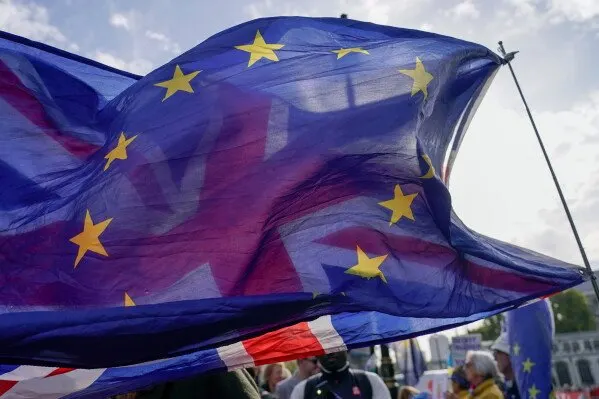
UK and EU poised to sign deals in Brussels
© Carlos Jasso, AFP ↗Burnham ready to walk away from a bad deal
Hereford Times ↗Times sets out what is in the reset
The Times ↗Burnham hopes for Channel migration deal
Express & Star ↗Talks to go down to the wire
Guardian Politics ↗Burnham breaks Brexit taboo before summit
Christian Science Monitor ↗NYT examines difficulty of undoing Brexit
NYT World News ↗EU to shut door to long-term talks until Burnham decides
The Guardian ↗Lammy urges Burnham to pledge rejoining the EU
BBC - Home ↗How it started
For years, the damage caused by Brexit was something of a taboo in Westminster, even inside the Labour party. nu.nl noted that Andy Burnham, unlike his predecessors, now talks openly about the possibility of rejoining, and the Christian Science Monitor described him as breaking that taboo ahead of the summit.
The pressure built from within his own party. The BBC reported on 18 November that David Lammy, the former deputy prime minister, had urged Burnham to take Labour into the next general election with a pledge to rejoin the European Union.
The New York Times framed the challenge plainly: Burnham wants a reset with the EU, but reversing a decade of separation will not be easy.
How it unfolded
On 18 November, the Guardian reported that the EU intended to close the door to talks on long-term UK ties until Burnham had decided on Brexit. Diplomats told the paper that the piecemeal approach of earlier resets was coming to an end, and that Brussels wanted clarity on whether Britain wanted to reverse its exit. A further report repeated the warning that the UK must make up its mind before more talks.
By 19 November, attention turned to what could actually be agreed in Brussels. The Times said the prime minister would sign off agreements on food, youth mobility and carbon trading. The Guardian reported that the talks would go "down to the wire", with food rules and tuition fees still unresolved, and that Britain was fighting to have a say in shaping future EU rules.
The immigration question also loomed. The Express & Star reported that Burnham hoped to strike a "Channel action" deal on migration, saying it would be a really big deal if it could be landed. The Independent reported that Britain was set to allow 100,000 young Europeans to come to the UK each year under a youth mobility scheme.
Opinion on the right was hostile. GB News called the reset a strategic misstep, while ZeroHedge, republishing a Spiked piece, called it an outrage against democracy and said Burnham seemed to have realised the plan would be a tough sell. Le Monde took a more cautious view, reporting that despite Burnham's stated wish to deepen economic and political ties, the two sides were still far from consensus on several files.
On 20 November, the Hereford Times reported that Burnham said he was prepared to walk away from a deal if it was not in Britain's interests. France 24 said the two sides were poised to sign deals on trade, energy and youth mobility. The Independent quoted Burnham saying the UK and Europe were "stronger together".
Where it stands
As the summit opened, the UK and EU were close to signing a package, according to the Guardian's live coverage and Al Jazeera. Al Jazeera described London as signalling a willingness to align more closely with the EU on various policies.
The deeper question is unresolved. The Independent reported that EU diplomats expect Burnham to explore four options on Brexit in a national conversation, and that this means he cannot call an early election. CNN asked whether the UK is preparing to undo Brexit, ten years after the vote.
What to watch
The first test is whether the final text of the food, youth mobility and energy deals survives the last-minute haggling, and whether the migration agreement Burnham wants materialises.
The larger test is political. Burnham must decide how far to go on rejoining, with Lammy pushing one way and the Conservatives and right-wing commentators the other. Until he does, the Guardian reports, Brussels will not open talks on longer-term ties.
More in Politics
All →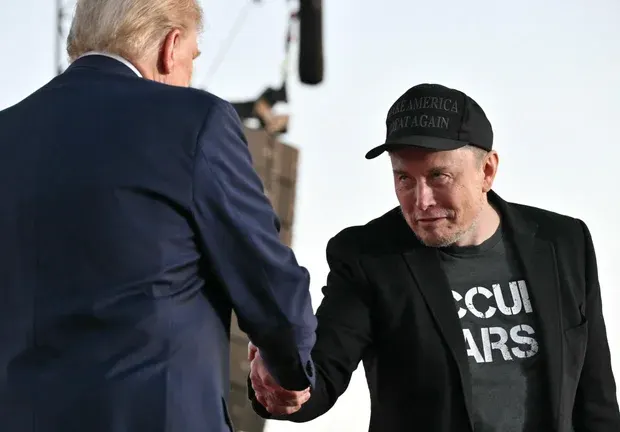
Elon Musk Says He Felt 'Foolish' Over Midterm Spending and Is 'Not MAGA'
After Republican losses in the 2026 midterms, Musk said he regrets pouring hundreds of millions into the race and distanced himself from the movement he backed, drawing a warning from Trump.
51 sources · over 2 days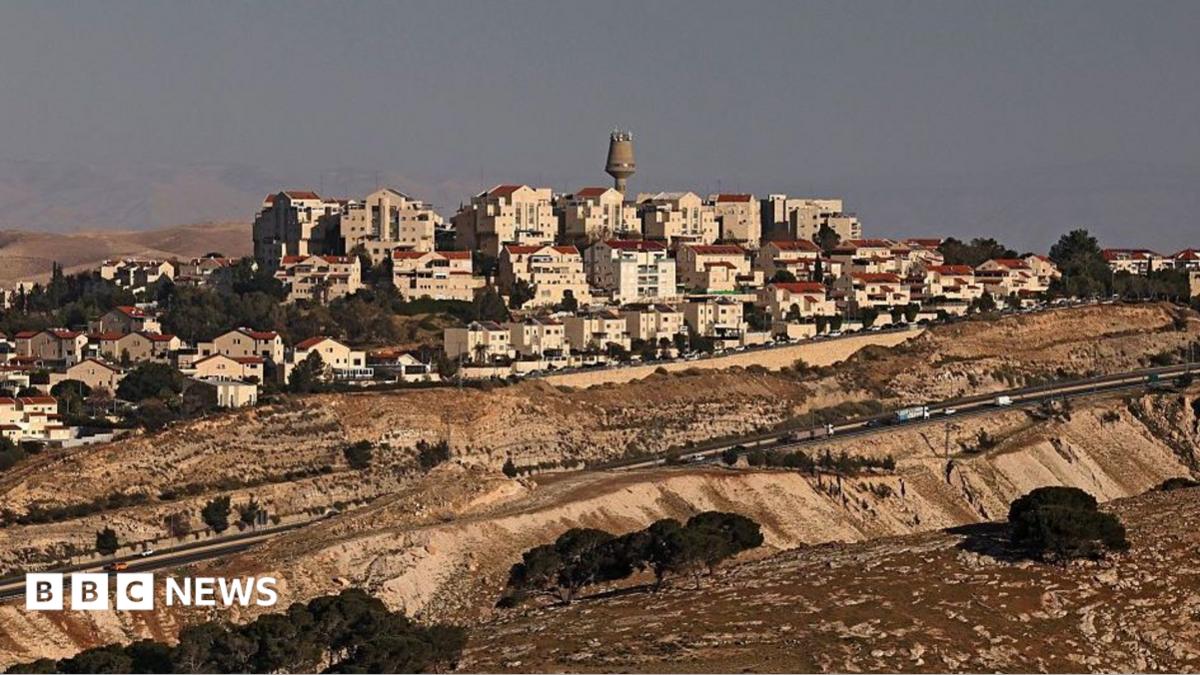
UK and Australia sanction Israeli settlement builders and settler figures over West Bank expansion
Britain targeted eight Israeli construction firms and a group blocking Gaza aid, and Australia followed with sanctions on settlers and organisations, in a coordinated push over West Bank settlement growth.
19 sources · over 3 days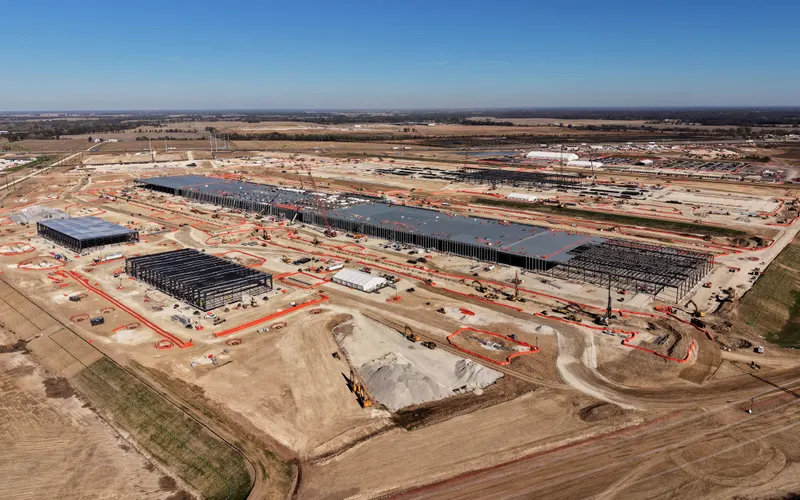
Senate Passes Bipartisan Permitting Bill 62-33, Sending Data Center Power Costs Provision to House
The Senate has approved a sweeping permitting overhaul that would speed energy and infrastructure projects and make data centers pay more for power, but its path through the House is uncertain.
8 sources · over 4 days