
UK and EU Seal Brexit Reset Deal on Food, Youth Mobility and Carbon at Brussels Summit
Andy Burnham signed the most concrete unwinding of Brexit barriers since 2016, while opening a wider debate on closer ties that critics have already condemned.
By Hushread Stories, from 42 outlets · First published 21 Nov 2026 · Chapter 4 of 4
Earlier: UK and EU Seal Food, Youth Mobility and Carbon Deals at Brussels Summit
In brief
- Prime Minister Andy Burnham and EU leaders sealed agreements on food trade, youth mobility and carbon emissions trading at a Brussels summit on Friday 20 November.
- The youth mobility scheme is reported to cover up to 100,000 people aged 18 to 32 living and working across each other's borders.
- University tuition fees were left unresolved after a late dispute, and the deal was pushed back on that point.
- Burnham announced a brainstorming process with Brussels on long-term ties, which has revived talk of the UK eventually rejoining the EU.
- Nigel Farage and Kemi Badenoch condemned the deal, and EU diplomats warned the UK must decide whether it wants to reverse Brexit.
Timeline · 7 moments
Burnham announces brainstorming on long-term ties
The Times ↗Last-minute tuition fees dispute pushes that issue back
The Independent ↗UK and EU agree trade and travel deals
Top Stories ↗Burnham meets von der Leyen and Costa in Brussels
World News ↗Burnham hopes to land Channel immigration deal
Express & Star ↗Burnham reported to accept 100,000-a-year youth scheme
The Independent ↗EU diplomats tell Burnham to decide on reversing Brexit
© X Ursula von der Leyen ↗How it started
A decade after the 2016 referendum, the politics of Brexit have shifted. The Washington Post noted that more Britons now say leaving the European Union was a mistake, and Prime Minister Andy Burnham arrived at the summit with a plan to act on that mood.
For years the consequences of Brexit were close to taboo in Westminster, even inside Labour. Nu.nl reported that Burnham, unlike his predecessors, talks openly about a possible return, and that this has set off a proper rejoin debate.
The run-up was not smooth. The Independent described talks as going down to the wire, and Yahoo News reported that the two sides were divided over timelines for post-Brexit arrangements.
How it unfolded
On 19 November, the day before the summit, The Times set out what the prime minister was expected to sign off: agreements on food, youth mobility and carbon trading. The Independent reported that Burnham had agreed to a youth scheme letting 100,000 people come to the UK a year, and that Britain was set to drop its long-promised ban on foie gras imports. Express & Star reported that Burnham also hoped to land an immigration deal on Channel crossings, calling it a really big deal if it came together.
The warning from Brussels came the same day. A report carried from Ursula von der Leyen's account said European diplomats had told Burnham that the UK must decide whether it wants to reverse Brexit before pursuing further talks on the long-term relationship.
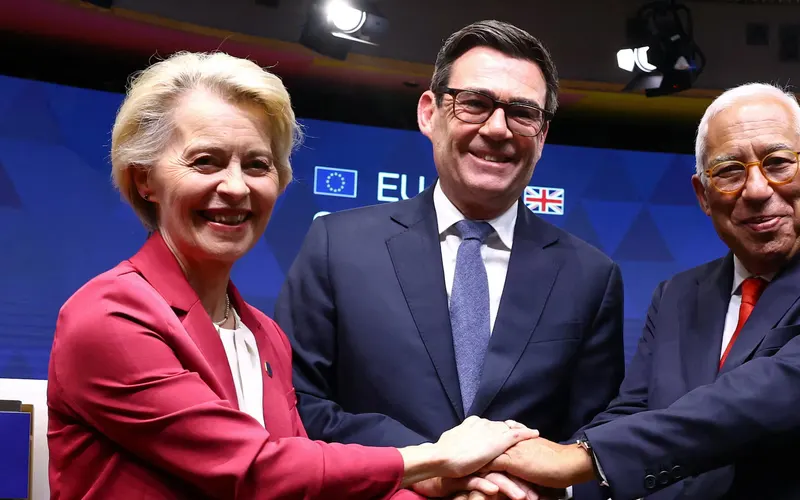
On Friday 20 November, Burnham met European Commission President Ursula von der Leyen and European Council President Antonio Costa in Brussels. AP reported that the two sides agreed to remove trade barriers and expand travel opportunities for young people, pledging an ambitious and dynamic relationship. Al Jazeera said the agreements simplify trade checks, link emissions systems and launch the youth mobility programme.
The summit was not free of drama. Yahoo News said Burnham joined the list of British prime ministers ambushed at an EU summit, and The Independent reported that he survived a last-minute wrangle over tuition fees. The South China Morning Post said that agreement was pushed back, with broader discussions left open.
Burnham called it a good day for Britain and for Europe, according to RTBF. The Times reported that he said he would hold a brainstorming process with the bloc about options for long-term relations. The Guardian reported that he challenged the Conservatives and Reform to reject a plan he says could add 0.5% a year to economic growth.
Where it stands
The deals are signed, but they are limited. The Financial Times described a landmark agreement overshadowed by the fees dispute and by questions about where the relationship goes next. Euronews said the summit also exposed the limits of negotiating one deal at a time.
The political reaction was fierce. Times Now reported that Nigel Farage called Burnham a total fraud and spoke of endless betrayal, with Kemi Badenoch also attacking the deal. GB News carried a warning that the carbon arrangement could pile costs onto manufacturers at a difficult time for industry.
Brussels has left the door open. Expresso reported that the 27 member states remain willing to talk, while Burnham promised the brainstorming exercise on closer ties.
What to watch
The first question is tuition fees, which remain unresolved and could resurface as the two sides continue talking. The second is the brainstorming process itself, and whether it produces a real proposal for closer ties.
Behind both sits the demand from EU diplomats that Britain say clearly what it wants. The Conversation argued that party politics still defines the UK's relationship with Europe, so the reaction from Reform and the Conservatives will shape how far Burnham can go.
More in Politics
All →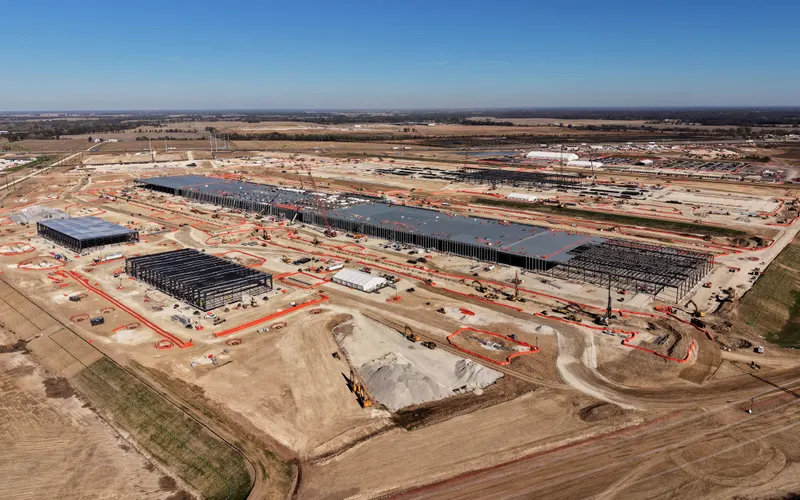
Senate Passes Bipartisan Permitting Bill 62-33, Sending Data Center Power Costs Provision to House
The Senate has approved a sweeping permitting overhaul that would speed energy and infrastructure projects and make data centers pay more for power, but its path through the House is uncertain.
10 sources · over 5 days
Five EU countries unveil Rwanda return hub for rejected asylum seekers
Germany, Austria, Denmark, Greece and the Netherlands plan a joint centre in Rwanda, expected to open by mid-2027 amid rights group criticism.
45 sources · over 5 days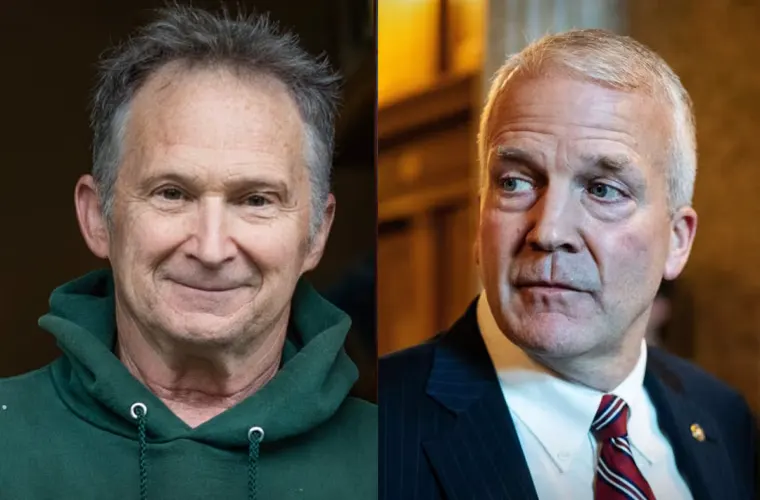
Justice Department Moves to Drop Its Own Lawsuit Over Alaska Senate Race
The Trump administration is abandoning a much-criticized bid to block certification of Alaska's Senate result, ending a legal gambit aimed at protecting Republican Sen. Dan Sullivan from a narrow loss.
13 sources · over 2 days