
ISRO's EOS-05 Reaches Key Orbit After GSLV-F17 Launch
EOS-05, launched by ISRO, was placed in sub-geosynchronous transfer orbit and has completed crucial orbit maneuvers en route to GEO.
By Hushread Stories, from 12 outlets · First published 4 Sept 2026
In brief
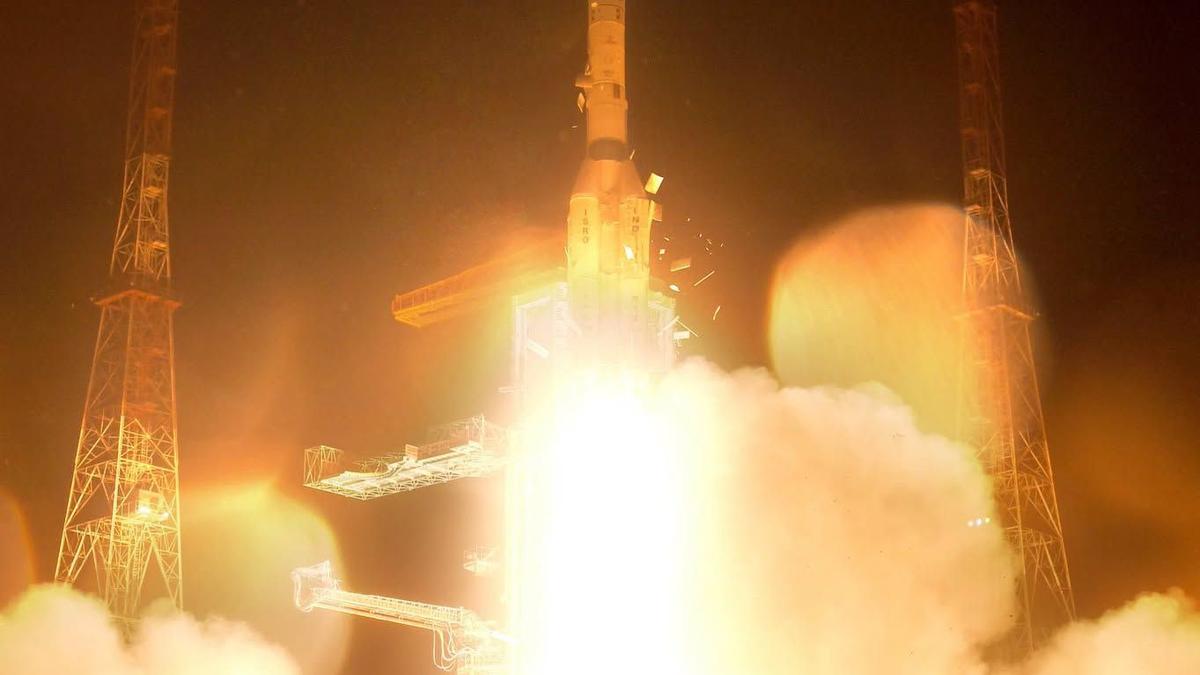
- ISRO launched the EOS-05 satellite aboard the GSLV-F17 rocket from Sriharikota on September 3, 2026.
- EOS-05 is India's first dedicated Earth imaging satellite designed for geosynchronous orbit, positioned about 36,000 kilometers above Earth.
- The satellite was initially placed in a sub-geosynchronous transfer orbit and has since completed key orbit maneuvers toward its final position.
- EOS-05 weighs over 2,300 kilograms and is expected to enhance surveillance, disaster management, and resource mapping capabilities.
- The mission marks a major milestone for ISRO, with further advancements in space technology and future missions planned.
Timeline · 8 moments
Satellite completes orbit maneuver en route to GEO
Business Line - Home ↗EOS-05 placed in sub-geosynchronous transfer orbit
NDTV India ↗ISRO chief announces progress on future missions
Mint ↗Prime Minister praises ISRO for successful EOS-05 launch
India News ↗ISRO confirms EOS-05 is India's heaviest satellite in geo orbit
The Hindu ↗EOS-05 successfully placed in geosynchronous orbit
Times of India India ↗GSLV-F17 carrying EOS-05 lifts off from Sriharikota
The Hindu ↗ISRO prepares for launch of EOS-05 satellite
Swarajya ↗Update 6 Sept 2026, 10:40 am UTC
ISRO's EOS-05 was injected into a sub-geosynchronous transfer orbit, not directly into its final geosynchronous orbit. The satellite has since completed key orbit maneuvers and is proceeding toward its operational position. The mission is still considered a major success, marking India's first dedicated geo-imaging satellite launch.
How it started
India has long sought to enhance its Earth observation capabilities, especially for security and resource management. Previous satellites operated mainly in polar orbits, providing frequent but brief views of any given location. The idea for a geosynchronous imaging satellite emerged from the need for continuous monitoring of specific areas, such as borders and strategic sites. This led to the development of EOS-05, also known as GISAT-1, as India's first attempt at such a mission.
How it unfolded
On September 3, 2026, the Indian Space Research Organisation launched EOS-05 from the Satish Dhawan Space Centre in Sriharikota. The launch occurred in the early morning hours, using the GSLV-F17 rocket, a vehicle sometimes called the 'naughty boy' due to its challenging track record, according to India Today.
The mission was closely watched because EOS-05 represents a new capability for India. Unlike most Earth observation satellites, EOS-05 is designed to stay fixed over a particular region from its high geosynchronous orbit. This allows for real-time imaging of the same area throughout the day.
After a textbook launch, the GSLV-F17 successfully placed the EOS-05 satellite into its intended orbit nearly 36,000 kilometers above the planet, as reported by The Hindu. The satellite, weighing over 2,300 kilograms, was described as the heaviest of its kind launched by India so far.
Following the launch, ISRO officials confirmed that EOS-05 had achieved the correct orbit and was functioning as planned. The mission was hailed by Prime Minister Narendra Modi, who called it a reflection of India's growing capabilities in space technology.
Where it stands
EOS-05 is now operational in geosynchronous orbit, positioned to provide continuous Earth imaging over India and neighboring regions. The satellite is expected to play a key role in monitoring borders, disaster management, and resource mapping. ISRO considers the mission a major success and a step forward for India's space ambitions. The agency is already preparing for future missions, including planned human spaceflight.
What to watch
The next steps involve calibrating and testing EOS-05's imaging systems to ensure they meet operational requirements. Observers will also be watching how the new data is used for national security and disaster response, as well as any updates from ISRO on upcoming missions.
More in Science
All →
New Analysis Links Van Gogh's Starry Night to July 1889 Sky
Researchers say the painting matches the predawn sky around July 22, 1889, offering a specific astronomical reference that could revise assumptions about its creation.
8 sources · today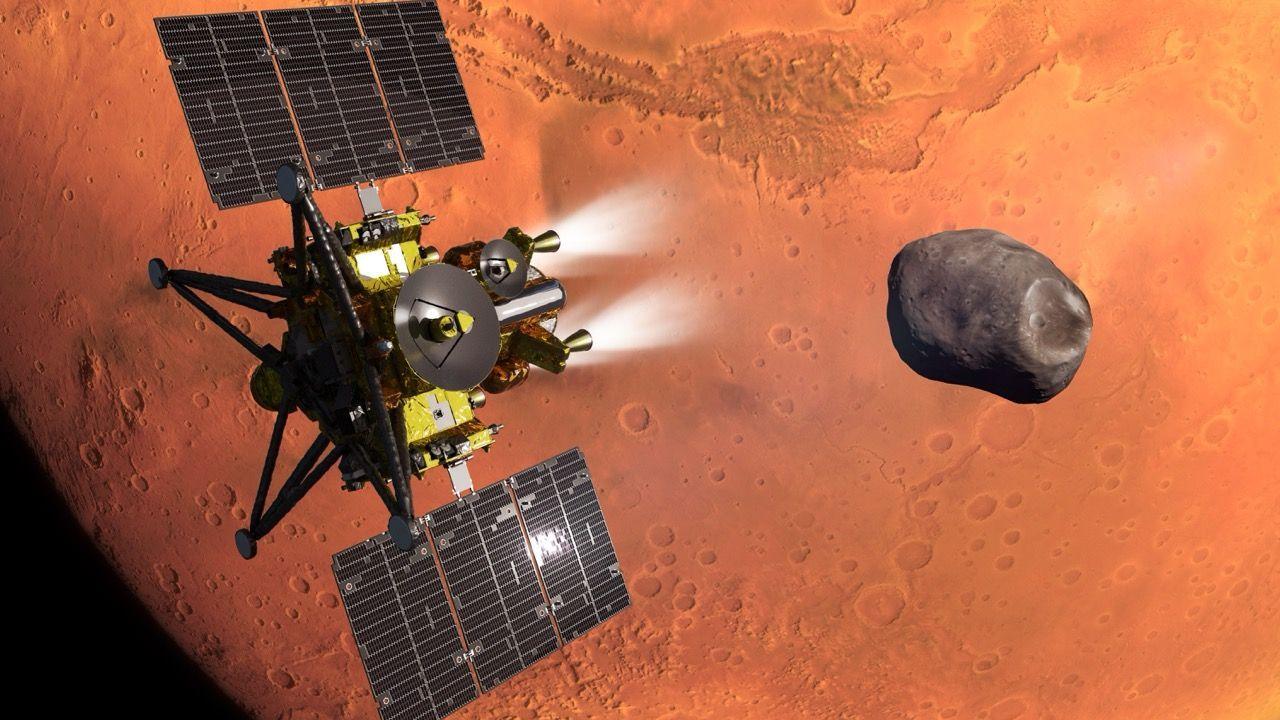
Japan launches first mission to return Martian moon samples
An H3 rocket carried the MMX probe from Tanegashima Space Center on a mission to explore Phobos and return samples by 2031.
48 sources · over 7 days
Amelia Earhart expedition ends after suspected plane wreckage proves to be trees
Researchers have left Nikumaroro without finding Amelia Earhart's plane, after investigating a satellite image anomaly that raised hopes of solving her 1937 disappearance.
19 sources · over 8 days