
Opposition Wins Knesset Speaker Vote, Handing Eisenkot Control of Israel's Legislative Agenda
Matan Kahana's election as speaker gives Gadi Eisenkot's bloc control of parliament's agenda while Netanyahu stays on as caretaker, and Eisenkot still needs a majority to form a government.
By Hushread Stories, from 38 outlets · First published 21 Nov 2026 · Chapter 4 of 6
Earlier: Eisenkot Bloc Wins Knesset Speakership 66-52, Weakening Netanyahu's Grip on Parliament
In brief
- The Knesset elected Matan Kahana, a member of Gadi Eisenkot's party, as speaker on 17 November, in a blow to Benjamin Netanyahu.
- Kahana won 66 votes in the 120-seat parliament, defeating Likud's Ofir Katz, with support from Arab parties.
- As speaker, Kahana can advance bills prioritised by the Eisenkot-led bloc and begin undoing parts of Netanyahu's domestic agenda.
- Netanyahu remains caretaker prime minister, and his camp has reacted angrily, with Netanyahu reportedly calling the bloc's backers terror supporters.
- Eisenkot has vowed to form a government swiftly and has invited Likud to coalition talks, but his own alliance is divided.
Timeline · 6 moments
Eisenkot invites Likud to marathon coalition talks
The Times of Israel ↗Eisenkot vows swift formation of a new government
Arab News ↗Parliament meets under Kahana as rollback of Netanyahu legacy begins
South China Morning Post ↗Netanyahu fumes, calling backers of the new speaker terror supporters
Times of India ↗Arab parties' support helps Kahana reach 66 votes
RSS di - ANSA.it ↗Knesset elects Matan Kahana as speaker, defeating Likud's Ofir Katz
World News ↗How it started
Israel's election left no clear winner able to form a government, and the weeks since have been a fight over who controls parliament while coalition talks drag on. Benjamin Netanyahu stayed on as caretaker prime minister, but his hold on the Knesset was already in doubt.
The aftermath turned bitter. Netanyahu's party alleged the election was stolen, and opposition leaders accused him of an attempted election coup, calling for an urgent probe.
The speaker's post became the first real test of who commands a working majority. Ahmad Tibi, an Arab MP, was earlier elected deputy speaker, a sign of how the opposition was assembling its votes.
How it unfolded
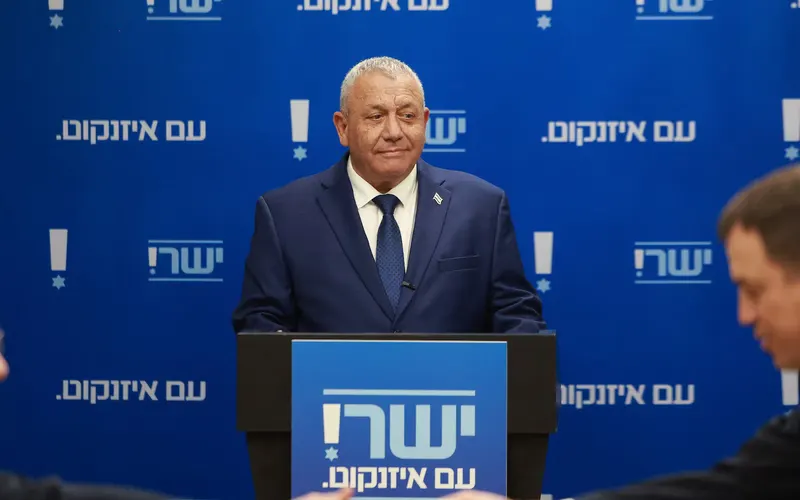
On Tuesday 17 November, lawmakers voted to elect Matan Kahana as speaker. Reuters described it as the Eisenkot-led bloc replacing a Netanyahu ally in the chair. Kahana, who is 54 and a former special forces member and F-16 squadron commander according to Franceinfo and Expresso, is a member of Eisenkot's Yashar party.
The margin was 66 votes out of 120. Reports differ slightly on the other side of the tally. ZeroHedge put it at 66-52, while TGcom24 reported 53 votes for Likud's Ofir Katz. Outlets agree that Kahana beat Katz, who was backed by Netanyahu's coalition bloc.
Arab parties helped deliver the win. Al Jazeera reported that Kahana was elected with the Arab bloc's backing, and ANSA said the same.
Netanyahu's camp was furious. According to the Times of India, Netanyahu fumed about the result and called the Eisenkot bloc's backers "terror supporters". DN reported that Netanyahu's allies did everything they could to prevent the vote.
By Wednesday the new order was already in motion. The South China Morning Post reported that parliament met under its new speaker as opponents of the caretaker prime minister began a legislative offensive to roll back his legacy. NDTV said Kahana was expected to start that process as soon as Wednesday.
On 20 and 21 November, attention returned to government formation. Arab News reported that Eisenkot promised a rapid formation of a new government amid internal divisions over potential partners. The Times of Israel reported that he invited Likud to marathon coalition talks in a bid to form a broad government.
Where it stands
The opposition now controls the legislative process. SBS noted that Kahana can advance bills prioritised by the Eisenkot-led bloc and other parties backing it. That gives the bloc a way to act on its promises even before a government exists.
But a speaker is not a prime minister. Der Spiegel called government formation a tightrope walk for Eisenkot, and Al Jazeera described his alliance as fragile, with deep ideological divisions to overcome. SBS said he faces three main options to secure power, nearly four weeks after the election.
What to watch
The first question is whether Likud members will take up Eisenkot's invitation to coalition talks, and on what terms. Arab News reported the discussion includes whether to work with ultra-Orthodox and Arab-majority parties or form a unity arrangement.
The second is what Kahana's chair actually delivers. The bloc has pledged to undo some of Netanyahu's most contentious domestic policies, and the first bills to reach the floor will show how united it really is.
More in Politics
All →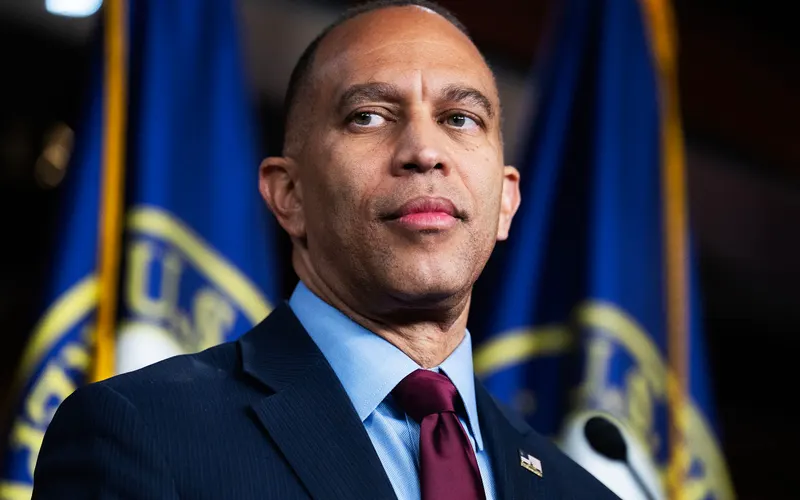
House Democrats Nominate Hakeem Jeffries for Speaker, 251 Votes to 11
Jeffries is set to become the first Black Speaker in U.S. history when the new Congress convenes in January.
44 sources · over 7 days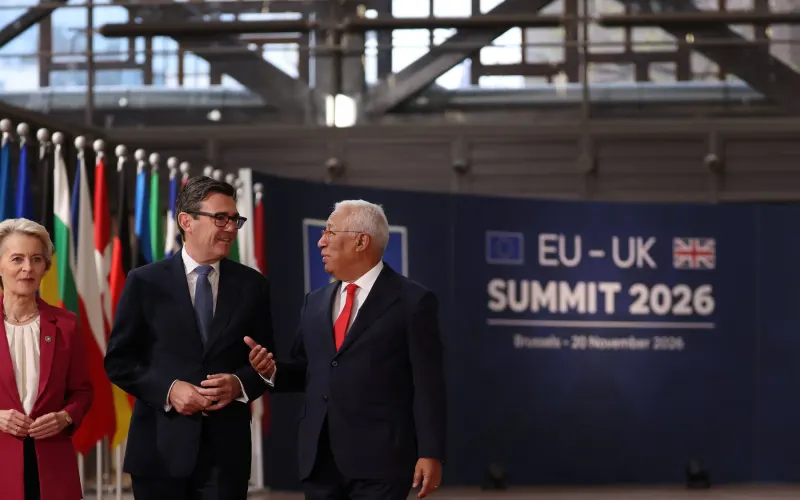
UK and EU sign Brussels reset deals on food, youth mobility and carbon trading
Andy Burnham's summit deals are the biggest step toward the EU since Brexit, but tuition fees remain unresolved and talk of rejoining has already split British politics.
51 sources · over 5 days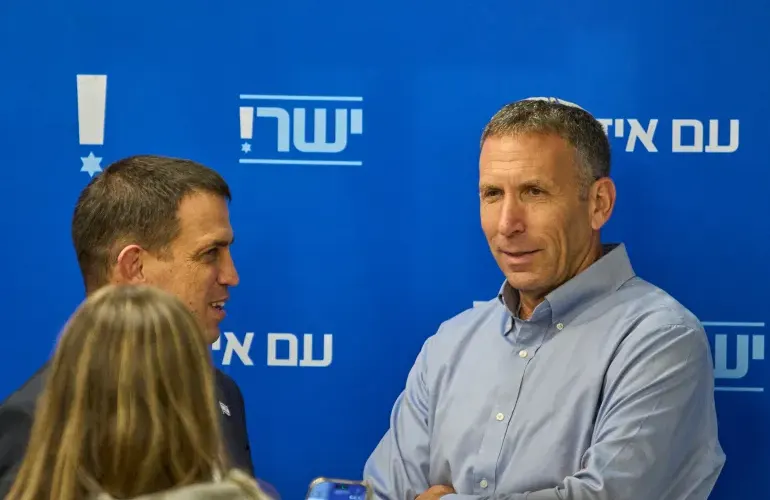
Knesset Elects Eisenkot Ally Kahana Speaker, Weakening Netanyahu as Coalition Talks Begin
A 66-52 speaker vote has shifted control of Israel's parliament away from Netanyahu, while Eisenkot weighs a minority government, talks with Likud and a December deadline.
45 sources · over 8 days