
Trump Pauses Russia Sanctions After Diesel Deal, Drawing Ukraine's Anger
A waiver of new penalties on Russian energy has deepened the dispute between Washington and Kyiv, while Marco Rubio says the pause will last 60 days.
By Hushread Stories, written with AI from 85 outlets · First published 18 Oct 2026 · Chapter 12 of 12
Earlier: Trump Pauses Russia Sanctions After Diesel Deal, Drawing Zelenskyy's Criticism
In brief
- President Donald Trump has paused new sanctions and tariffs targeting Russia after signing the legislation in September.
- The waiver follows an October diesel agreement and offers relief to countries buying Russian oil and gas.
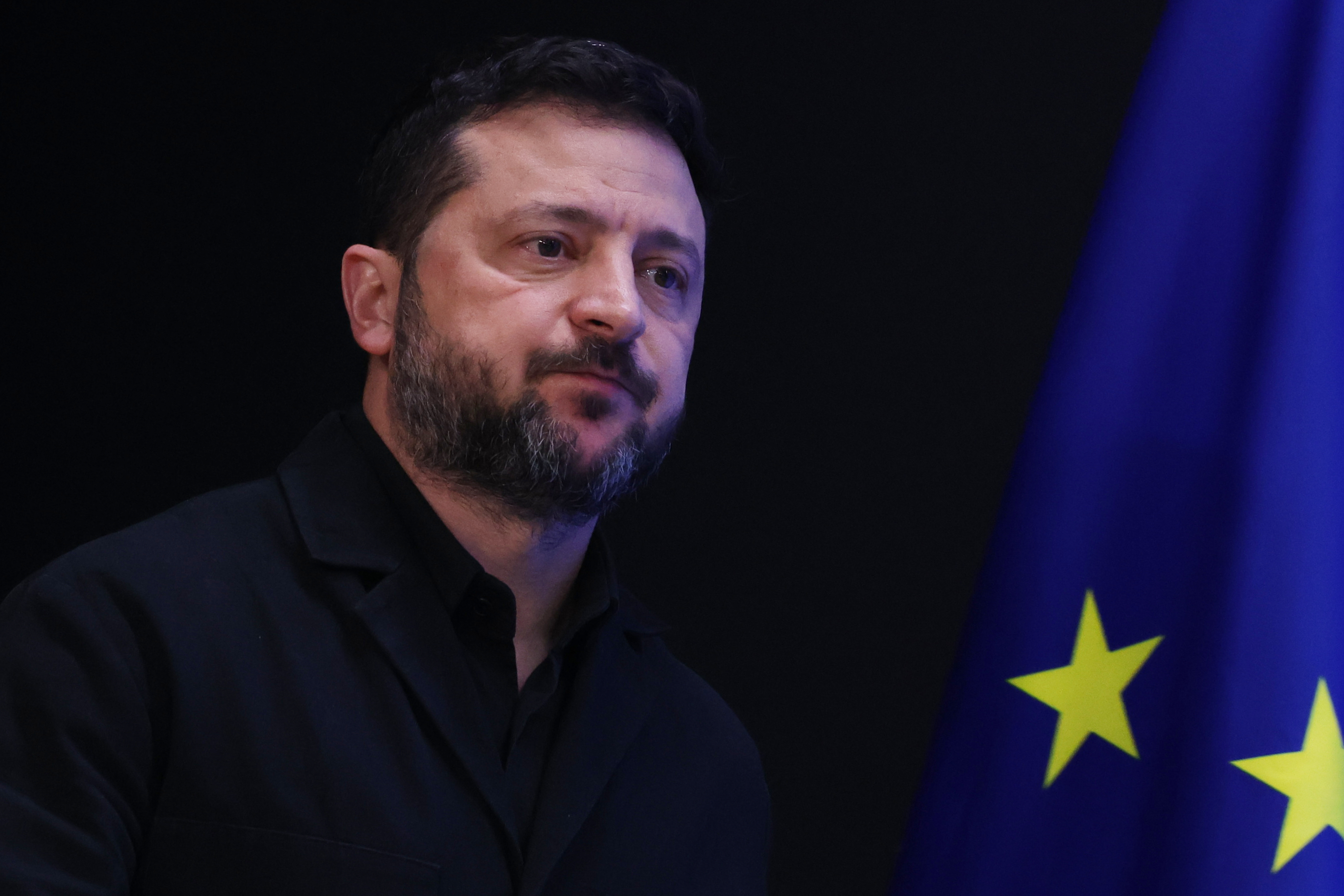
- Ukrainian President Volodymyr Zelenskyy says easing pressure on Russia will encourage Vladimir Putin to continue attacking Ukraine.
- Secretary of state Marco Rubio says the sanctions pause will last 60 days while economic effects are assessed.
- Ukraine is urging supporters to defend the sanctions, while Zelensky has also expressed readiness for American led negotiations.
Timeline · 7 moments
Administration proposes Russian gas return in potential peace deal
Times now ↗Rubio describes waiver as a 60-day economic review
Latest news, sport and opinion from the Guardian ↗Zelensky expresses openness to talks led by Washington
The Hill ↗Putin's special envoy praises Trump's sanctions waiver
Times now ↗Zelenskyy urges supporters to defend new Russia sanctions
Associated Press ↗Trump signs order waiving sanctions on Russian energy
The Hindu ↗Agreement announced to buy diesel from Russia
Le Monde ↗How it started
The dispute centres on whether Washington should increase pressure on Russia's energy revenues or ease restrictions as it pursues an energy agreement. President Donald Trump signed the Graham Bill in September, targeting Russia over its invasion of Ukraine, according to CNBC.
The legislation sought to restrict the financial resources sustaining Russia's war, Global News reported. Its reach extended beyond Russia: countries importing Russian oil and gas faced duties under the law, according to News18.
An agreement announced on October 11 to buy Russian diesel set the backdrop for the latest confrontation, Le Monde reported. The subsequent sanctions waiver widened the disagreement with Kyiv.
How it unfolded
On October 16, Trump signed an executive order waiving sweeping sanctions aimed at Russia's energy revenues, according to The Hindu. He cited the national interest in holding off on the penalties, Axios reported.
The measures were close to taking effect, although the coverage differs on the precise deadline. ABCNews.com reported on October 17 that they were due in two days; Fanpage put the start date at October 18.
On October 17, Ukrainian President Volodymyr Zelenskyy urged supporters to speak out in defence of the new sanctions, according to Associated Press. He described Trump's decision as a reward for Vladimir Putin and warned it would encourage further Russian attacks, the Guardian reported.
Russia welcomed the decision. Russian President Vladimir Putin's special envoy praised Trump's waiver, according to Times now. For major Russian oil buyers, the move also eased the immediate threat of penalties, Mint reported.
Zelensky nevertheless expressed openness to negotiations led by the United States on October 17, according to The Hill. His criticism of the waiver did not amount to a rejection of talks.
On October 18, secretary of state Marco Rubio described the waiver as a 60-day pause to analyse the sanctions' impact on the global economy, the Guardian reported.
Where it stands
The new sanctions package is on hold, not simply awaiting its original start date. Rubio's explanation gives the pause a stated duration, but the coverage does not establish what penalties will apply when those 60 days end.
The decision comes as Russia targets Ukrainian energy infrastructure, according to Le Monde. Kyiv argues that easing financial pressure encourages further attacks, while Washington has presented the pause as an economic assessment.
The dispute also increases the importance of European support. Ukrainian President Volodymyr Zelenskyy has urged EU leaders to provide nearly $80 billion more next year to finance Kyiv's fight, Japan Times reported.
What to watch
The immediate issue is whether Washington reinstates the measures after its review or extends the relief. Ukraine is pressing allies to convince Trump to enforce the sanctions, according to The Independent.
A further energy proposal is also emerging. The Trump administration has proposed allowing Russian gas supplies to return to Europe as part of a potential peace deal, Times now reported. That remains a proposal, rather than an agreed settlement.
More in World
All →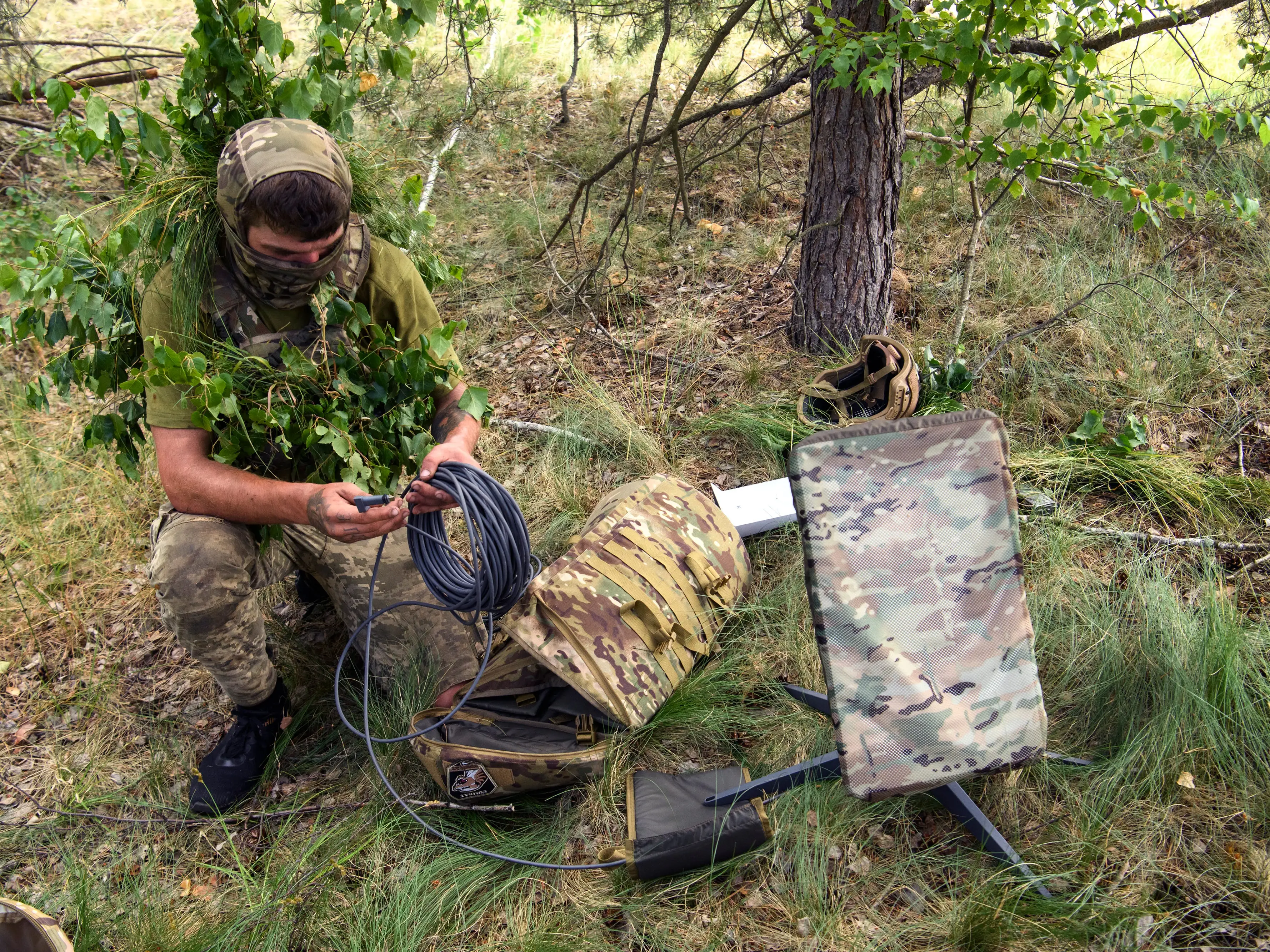
Ukraine Starlink Restrictions Spark Dispute Over White House Role and Restoration
Restrictions on Ukraine's satellite access disrupted military operations, exposing its dependence on US technology as conflicting accounts emerge over who ordered the limits and whether service is fully restored.
75 sources · over 5 days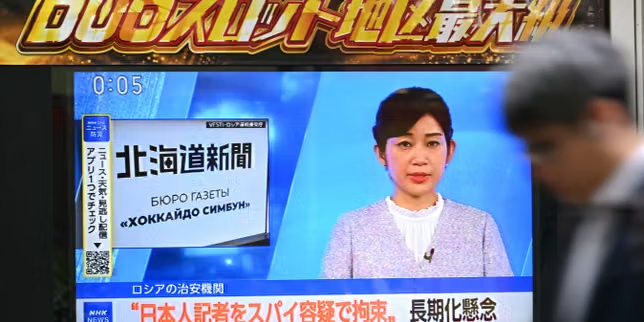
Japan Denies Espionage After Russia Detains Journalist on Sakhalin Island
The detention of Yuki Imai has prompted a Japanese diplomatic protest, while reports of a possible prisoner swap add an unconfirmed dimension to the dispute.
23 sources · over 5 days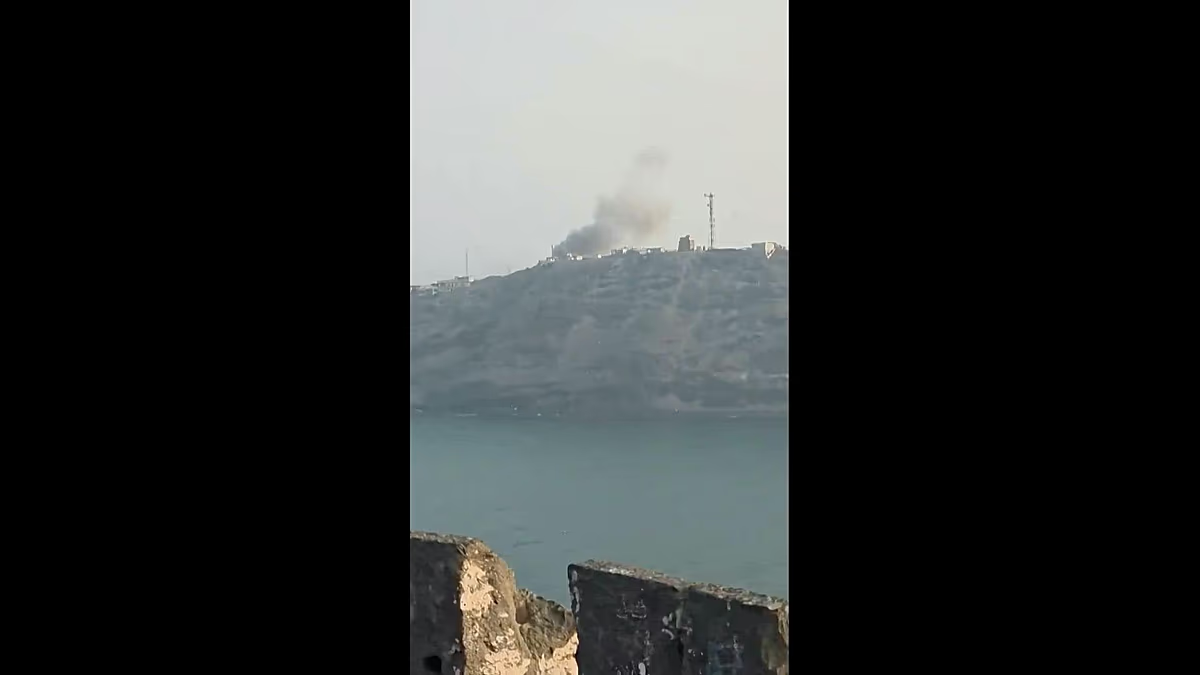
Houthi Strikes Hit Aden as Saudi Forces Target Taiz Siege
Missile attacks on Yemen's government seat and continued drone interceptions in Saudi Arabia accompany a widening ground battle, with Saudi forces now trying to break the siege of Taiz.
41 sources · over 7 days